
The conversation explored the generation of waste steam in industrial processes, particularly focusing on the food processing sector, and examined the potential for optimizing waste steam reuse across various industries. It provided an in-depth analysis of waste steam generation, its recovery, and reuse within 12 specific food processing industries, highlighting opportunities for energy efficiency and sustainability improvements. Additionally, it identified leading countries with significant food processing activities and discussed the relevance and potential of Scandinavian food processing industries in Denmark, Norway, and Sweden for capturing and utilizing waste steam.
Waste Steam in Industrial Processes
Initially, the discussion identified 25 industrial processes known for generating significant amounts of waste steam, ranging from electric power generation to various manufacturing sectors. Among these, the food processing industry was noted for its substantial steam usage due to the requirements of heating, cooking, pasteurization, and sterilization processes inherent in food production.
Ranking Industries by Waste Steam Generation and Reuse Potential
The conversation provided speculative rankings of these industries based on the volume of waste steam generated and the ease of capturing this waste steam for reuse. Industries with large-scale operations and consistent steam demand, such as electric power generation, petroleum refining, and chemical manufacturing, were highlighted as significant generators of waste steam. Conversely, industries like the semiconductor and aerospace manufacturing were noted for their lower volumes of steam generation and challenges in steam capture due to the specialized nature of their processes.
Focus on Food Processing Industries
A closer examination of 12 food processing categories revealed the significant generation of waste steam in activities such as meat and poultry processing, dairy processing, breweries, and distilleries, and more. The discussion underscored the feasibility and benefits of implementing waste steam recovery systems in these sectors to improve energy efficiency, reduce costs, and minimize environmental impacts.
Systems for Reuse of Waste Steam
The conversation detailed the types of systems used across the 12 mentioned food processing industries for waste steam reuse. These systems, including heat exchangers, condensate return systems, and direct use of waste steam, demonstrate the industry’s potential for optimizing steam energy use. Optimizing such systems was discussed as a pathway to achieving higher operational efficiency and sustainability across the board.
Global Perspective and Scandinavian Focus
The dialogue identified countries with notable food processing industries, emphasizing the United States, China, Brazil, India, and several European nations for their extensive food processing activities. It then narrowed down to explore the potential in Denmark, Norway, and Sweden, noting specific companies within these countries that stand to benefit significantly from waste steam recovery initiatives. The Scandinavian food processing sector, known for its sustainability focus, was highlighted as particularly eligible for capturing and utilizing waste steam, contributing to its green credentials and efficiency.
Conclusion and Recommendations
This comprehensive overview underlines the importance of waste steam recovery in enhancing energy efficiency and sustainability in the food processing industry and beyond. Scandinavian countries, with their commitment to environmental sustainability and advanced technological infrastructure, are particularly well-placed to lead innovations in waste steam recovery. For industries worldwide, investing in waste steam capture and reuse technologies offers a pathway to reduced energy consumption, lower operational costs, and a smaller environmental footprint, aligning with global sustainability goals.
Future Directions
Moving forward, industries are encouraged to conduct energy audits, invest in waste steam recovery technologies, and pursue continuous improvement practices to optimize steam use. Collaboration between technology providers, industry stakeholders, and regulatory bodies will be crucial in developing frameworks and incentives that facilitate the widespread adoption of waste steam recovery solutions.
25 industrial processes which in the process generates a significant amount of waste steam
Industrial processes often generate waste steam as a byproduct, which can sometimes be reused or converted into energy through various means. Here’s a list of 25 industrial processes known for generating significant amounts of waste steam:
- Electric Power Generation: Coal, natural gas, nuclear, and even some renewable energy plants (e.g., biomass) generate steam to drive turbines.
- Petroleum Refining: Refineries use steam for heating, distillation, and cracking processes.
- Chemical Manufacturing: Chemical plants use steam for processing heating, pressure control, and chemical reactions.
- Pulp and Paper Manufacturing: The pulp and paper industry uses steam for processing heating, cooking, and drying.
- Food and Beverage Processing: Steam is used for cooking, pasteurization, and sterilization.
- Textile Industry: Steam is used in dyeing, drying, and pressing fabrics.
- Pharmaceuticals Production: Steam sterilization is essential for ensuring product purity and safety.
- Metal Smelting and Processing: High-temperature steam is used in metal recovery and finishing processes.
- Glass and Ceramics Manufacturing: Steam is used in the melting, molding, and treatment of glass and ceramics.
- Cement Production: Steam is involved in the heating and drying processes of cement manufacturing.
- Automobile Manufacturing: Steam is used in painting, coating, and cleaning processes.
- Rubber and Plastics Manufacturing: Steam is essential for molding, shaping, and vulcanizing materials.
- Leather Tanning: Steam is used in the treatment and finishing of leather products.
- Waste-to-Energy Plants: These facilities generate steam through the combustion of municipal solid waste.
- Biotech and Fermentation Industries: Steam is used for sterilization, heating, and in certain fermentation processes.
- Dairy Industry: Steam is used for pasteurization, sterilization, and cleaning.
- Breweries and Distilleries: Steam is essential for heating brew kettles, mash tuns, and stills.
- Sugar Manufacturing: Steam is used in the extraction, purification, and crystallization of sugar.
- Desalination Plants: Some desalination processes use steam for heating and condensation.
- Laundry and Dry Cleaning Services: Steam is used for cleaning and pressing garments.
- Building Materials Manufacturing: Steam is used in the production of bricks, tiles, and other construction materials.
- Oil and Gas Extraction: Steam is used for enhanced oil recovery methods.
- Dye and Paint Manufacturing: Steam is used in the mixing, processing, and production of dyes and paints.
- Semiconductor and Electronics Manufacturing: Steam is used in cleaning and fabrication processes.
- Aerospace Manufacturing: Steam is used for parts cleaning, heat treatment, and fabrication processes.
These industrial processes underscore the pervasive utilization of steam across diverse sectors, not solely for its immediate application in manufacturing and processing endeavors but also signaling the substantial potential for the recuperation of waste steam as a pivotal measure for enhancing energy efficiency and bolstering sustainability initiatives. This analysis sheds light on the integral role of steam in operational frameworks, from direct process applications to its significant capacity for reuse and energy recovery. The insights garnered from examining these processes reveal a dual-purpose utility of steam—acting as both a fundamental component in production methodologies and as a valuable resource for energy conservation and environmental stewardship. By leveraging advanced recovery technologies and innovative management strategies, industries stand at the precipice of a transformative approach to energy utilization, poised to redefine standards of operational efficiency and environmental responsibility through the strategic capture and reuse of waste steam.
Ranking the 25 industries in accordance with how much waste steam is generated within an 8 hours shift
Ranking industries by the amount of waste steam they generate in an 8-hour shift requires specific data on steam consumption and waste for each industry, which can vary widely based on technology, scale, and efficiency of the operations. However, we can make educated guesses based on the typical energy intensity and scale of these operations. Industries that are energy-intensive and operate on a large scale are likely to generate more waste steam.
Here’s a speculative ranking based on the potential volume of waste steam generated, from highest to lowest, considering typical industry scales and processes:
- Electric Power Generation: Large-scale operations with constant steam generation.
- Petroleum Refining: High energy usage and large volumes of steam in processing.
- Chemical Manufacturing: Diverse processes with significant steam use.
- Pulp and Paper Manufacturing: Steam-intensive processes for drying and treatment.
- Waste-to-Energy Plants: Large amounts of steam generated from waste combustion.
- Metal Smelting and Processing: High-temperature processes requiring substantial steam.
- Cement Production: Energy-intensive manufacturing processes.
- Glass and Ceramics Manufacturing: High heat and steam usage in melting and treatment.
- Oil and Gas Extraction: Steam used in extraction processes, especially in heavy oil recovery.
- Food and Beverage Processing: Significant steam use in cooking, pasteurization, and sterilization.
- Pharmaceuticals Production: Steam used extensively for sterilization.
- Textile Industry: Steam used in dyeing, drying, and pressing.
- Dairy Industry: Steam used for pasteurization and sterilization.
- Breweries and Distilleries: Considerable steam used in heating processes.
- Sugar Manufacturing: Steam used in extraction and purification processes.
- Rubber and Plastics Manufacturing: Steam used in molding and shaping.
- Automobile Manufacturing: Steam used in painting, coating, and cleaning.
- Building Materials Manufacturing: Steam used in the production of bricks and tiles.
- Leather Tanning: Steam used in treatment and finishing processes.
- Dye and Paint Manufacturing: Moderate steam use in production processes.
- Biotech and Fermentation Industries: Steam used for sterilization and heating.
- Desalination Plants: Some steam used in heating and condensation.
- Laundry and Dry Cleaning Services: Smaller scale but continuous steam use.
- Semiconductor and Electronics Manufacturing: Precision cleaning and fabrication with steam.
- Aerospace Manufacturing: Targeted steam use for parts cleaning and fabrication.
This ranking provides a broad overview and may not capture the nuanced differences among individual facilities or incorporate the impact of recent technological innovations that enhance energy efficiency and minimize waste steam production. It’s important to acknowledge that the precise volume of waste steam generated is influenced by a variety of factors, including the capacity of the plant, the efficiency of its operations, and the specific technologies employed. These elements are crucial in accurately assessing the potential for waste steam recovery and its subsequent contribution to energy sustainability efforts.
Ranking the 25 industries in accordance with ease of capturing waste steam generated in process
Capturing waste steam for reuse or energy recovery depends on several factors, including the quality of the steam (pressure and temperature), the consistency of steam production, and the proximity of potential users or recovery systems. Some industries might find it easier to capture and reuse waste steam due to the centralized nature of their operations and the consistent demand for heat and power. Here’s a speculative ranking from easiest to most challenging, based on the potential for waste steam capture and reuse:
- Electric Power Generation: Often have built-in systems for steam recovery and reuse.
- Petroleum Refining: High control over processes allows for efficient steam capture and reuse.
- Chemical Manufacturing: Consistent steam demand makes recovery systems viable.
- Pulp and Paper Manufacturing: Large, centralized facilities can efficiently capture steam.
- Waste-to-Energy Plants: Integrated systems for steam capture can be used for electricity generation.
- Food and Beverage Processing: Steam use is centralized, facilitating capture and reuse.
- Metal Smelting and Processing: High temperatures make steam capture feasible for energy recovery.
- Cement Production: Potential for steam capture in drying and heating processes.
- Glass and Ceramics Manufacturing: Centralized high-temperature processes allow for steam capture.
- Oil and Gas Extraction: Steam injection processes can be designed with recovery systems.
- Pharmaceuticals Production: High-value products justify investment in steam capture technologies.
- Breweries and Distilleries: Consistent steam requirements make capture systems practical.
- Dairy Industry: Centralized steam use in pasteurization and sterilization facilitates capture.
- Textile Industry: Steam demand in dyeing and drying processes allows for capture and reuse.
- Sugar Manufacturing: Processes can be adapted for steam capture and reuse.
- Rubber and Plastics Manufacturing: Potential for steam capture in molding and vulcanization.
- Automobile Manufacturing: Use of steam in specific processes like painting and cleaning allows for capture.
- Building Materials Manufacturing: Opportunities for steam capture in drying processes.
- Leather Tanning: Potential for steam capture in treatment and finishing processes.
- Biotech and Fermentation Industries: Steam capture can be integrated into sterilization processes.
- Desalination Plants: Some potential for steam capture, depending on the process used.
- Laundry and Dry Cleaning Services: Small-scale operations may make steam capture less viable.
- Dye and Paint Manufacturing: Varied processes with potential for steam capture.
- Semiconductor and Electronics Manufacturing: Small-scale, precise applications may limit steam capture.
- Aerospace Manufacturing: Specialized processes and lower volumes of steam may challenge capture efforts.
This assessment meticulously evaluates the technical feasibility and economic justification for the capture and reuse of waste steam, acknowledging that these factors exhibit considerable variation across different sectors due to the specificity of industry practices, the magnitude of operations, and the technological resources at hand. Industries characterized by centralized and expansive operational frameworks, which consistently generate steam of high quality and in substantial volumes, demonstrate a markedly higher potential for the effective capture and utilization of waste steam.
This perspective is crucial for stakeholders aiming to optimize energy efficiency and sustainability within their operations, guiding strategic investments in steam recovery technologies.
Top 10 food processing industries where waste steam is significant
In the food processing sector, waste steam generation is a critical consideration due to its impact on energy efficiency, environmental sustainability, and operational costs. Here are the top 10 food processing industries where waste steam generation is significant, due to the nature of their processes which often require heating, cooking, pasteurization, or sterilization on a large scale:
- Meat and Poultry Processing: These facilities use steam for cooking, sterilization of equipment, and sometimes for rendering processes. The scale of operations can lead to significant waste steam generation.
- Dairy Processing: Involves pasteurization, homogenization, and drying processes that use substantial amounts of steam, especially in the production of milk powder, cheese, and yogurt.
- Breweries and Distilleries: Steam is essential for brewing and distillation processes. It’s used for heating brew kettles and stills, where controlling temperature precisely is crucial.
- Canned Fruits and Vegetables: The canning process requires steam for cooking and sterilization to ensure the safety and longevity of preserved products.
- Bakery and Snack Foods: Steam is used in baking and cooking processes, for dough conditioning, and in direct injection cooking systems.
- Fish and Seafood Processing: Steam is used for cooking, canning, and sterilizing equipment, especially in the production of canned and preserved seafood products.
- Sugar and Confectionery Manufacturing: Processes like sugar refining and the manufacturing of candies often involve steam heating for melting, cooking, and maintaining temperatures.
- Oilseed and Grain Milling: Steam is used in the extraction of oils, conditioning of grains, and in processes for making flours and meals.
- Coffee and Tea Processing: Steam plays a vital role in the roasting of coffee and the processing of tea, including withering, steaming (for some types of tea), and drying.
- Ready Meals and Instant Food Production: This includes the manufacturing of foods that require cooking or reheating as part of the production process, such as instant noodles, soups, and ready-to-eat meals.
These industries are distinguished by their substantial reliance on steam for numerous essential processes, positioning them as key sectors for the adoption of steam recovery and reuse technologies. The notable potential for waste steam generation within these sectors underscores the opportunity to significantly enhance energy efficiency, achieve cost reductions, and mitigate environmental impacts. Implementing advanced steam recovery solutions in these contexts not only aligns with sustainability goals but also contributes to operational excellence and economic viability.
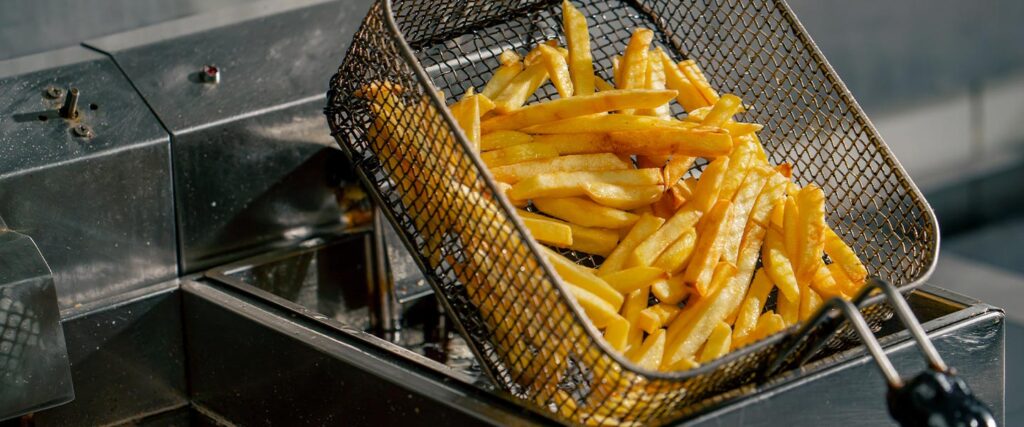
French fries and potato chips processing are there significant generation of waste steam
Yes, in the processing of French fries and potato chips, there is significant generation of waste steam. These processes involve several stages where steam is used extensively, making the potential for waste steam generation noteworthy.
French Fries Processing:
- Blanching: Potatoes are often blanched in hot water or steam to inactivate enzymes, which prevents discoloration and reduces frying time. This step generates a substantial amount of waste steam.
- Cooking: Prior to frying, potatoes might be partially cooked using steam to ensure that they are fully cooked inside without becoming too brown on the outside during frying.
- Drying: After blanching and before frying, potatoes are dried using hot air or steam to remove excess moisture. Although not directly generating waste steam, the drying process is closely linked to steam generation systems.
Potato Chips Processing:
- Peeling: Steam peeling is a common method where potatoes are subjected to high-pressure steam for a short time to loosen the skins. The abrupt pressure release causes the skin to crack, making it easy to remove. This process generates waste steam.
- Blanching: Similar to French fries processing, potato slices may be blanched in hot water or steam to remove excess sugars and prevent browning, generating waste steam in the process.
- Cooking: Some potato chip processes might use steam indirectly for cooking or preparing the potato slices before the actual frying stage.
Waste Steam Recovery Opportunities:
The significant generation of waste steam in both French fries and potato chips processing presents opportunities for recovery and reuse. For instance, waste steam from blanchers and peelers can be captured and used for preheating water for other processes, heating facilities, or generating additional power. Implementing such steam recovery systems can improve energy efficiency, reduce operational costs, and contribute to sustainability efforts by lowering the carbon footprint of the processing facilities.
These industries are therefore not just significant consumers of steam but also have the potential to be models for energy recovery and efficiency improvements in the food processing sector.
For the 12 food processing industries do they have systems for re-use of generated waste steam today
In the food processing industry, the reuse of waste steam is increasingly recognized as an opportunity to enhance energy efficiency, reduce costs, and decrease environmental impact. While specific implementations can vary widely in scale and sophistication, many sectors, including the 12 food processing industries mentioned, are moving towards adopting systems that allow for the recovery and reuse of waste steam. Below is an overview of how some of these industries might employ waste steam reuse systems:
- Meat and Poultry Processing: Facilities can use waste steam for preheating water used in other processing steps or for cleaning and sanitization, reducing the demand for fresh steam.
- Dairy Processing: Waste steam from pasteurization and drying processes can be recovered to preheat milk or clean equipment, improving overall energy efficiency.
- Breweries and Distilleries: Recovered steam from brewing and distillation processes can be used for heating in the mash process or cleaning vessels, contributing to significant energy savings.
- Canned Fruits and Vegetables: Steam from the sterilization and cooking processes can be captured and reused for preheating products before processing or for facility heating.
- Bakery and Snack Foods: Waste steam from ovens and cooking processes can be utilized for dough conditioning or to heat water for cleaning.
- Fish and Seafood Processing: Steam from cooking and canning processes can be redirected for use in defrosting raw materials or cleaning equipment.
- Sugar and Confectionery Manufacturing: Recovered steam can be used in various stages of sugar refining or in maintaining the required temperature conditions for confectionery products.
- Oilseed and Grain Milling: Steam generated from the oil extraction process can be reused for grain conditioning or drying before milling.
- Coffee and Tea Processing: Waste steam from roasting and drying can be employed for preheating green coffee beans or tea leaves, enhancing process efficiency.
- Ready Meals and Instant Food Production: Steam from cooking processes can be captured and reused for pre-cooking ingredients or sterilizing packaging.
- French Fries Processing: Steam from the blanching and drying stages can be reused for heating water used in other parts of the process or for cleaning purposes.
- Potato Chips Processing: Similar to French fries, steam from peeling and blanching can be reused for preheating oil or water in other processing stages.
While the adoption and implementation of waste steam recovery systems depend on various factors including the scale of operations, initial investment costs, and technical feasibility, many companies across these industries are investing in such technologies. They recognize not only the environmental benefits but also the long-term cost savings and operational efficiencies these systems can offer. Companies are increasingly exploring and implementing heat recovery and reuse solutions as part of their sustainability and efficiency strategies.
Steam re-use systems potentially used in each of the 12 industries mentioned
The reuse of waste steam in food processing industries can take many forms, tailored to the specific needs and processes of each sector. Below are examples of systems and approaches used across the 12 mentioned industries for waste steam reuse:
- Meat and Poultry Processing: Condensate return systems collect condensate from steam usage points and return it to the boiler for reuse, reducing the need for fresh water and energy.
- Dairy Processing: Heat exchangers capture waste steam heat to preheat incoming milk or water for cleaning, enhancing energy efficiency.
- Breweries and Distilleries: Waste steam from distillation and brewing is reused for heating in the mashing process or in CIP (Clean-In-Place) systems for cleaning tanks and pipes.
- Canned Fruits and Vegetables: Heat recovery units use waste steam from sterilization processes to preheat products before processing or for facility heating purposes.
- Bakery and Snack Foods: Steam recovery from ovens can be used for dough conditioning by redirecting it to proofing chambers or for generating hot water.
- Fish and Seafood Processing: Waste steam from cooking and sterilization is captured to defrost raw materials or preheat water for sanitation, reducing the overall steam demand.
- Sugar and Confectionery Manufacturing: Steam from cooking processes can be recovered through heat exchangers to preheat syrups or maintain ideal temperatures for candy making.
- Oilseed and Grain Milling: Waste steam from oil extraction processes is reused in conditioning grains or in drying processes to prepare them for milling or storage.
- Coffee and Tea Processing: Steam from the roasting process can be captured and used to preheat green beans or leaves before processing, or for cleaning equipment.
- Ready Meals and Instant Food Production: Captured steam from cooking kettles can be reused for pre-cooking ingredients, heating water for pasta or rice, or for sterilizing packaging before filling.
- French Fries Processing: Waste steam from blanching can be redirected through heat exchangers to warm incoming water for other uses, or used directly in peelers or other pre-cooking processes.
- Potato Chips Processing: Steam from the peeling process can be captured and reused for blanching slices, or for maintaining humidity levels in storage areas to keep raw potatoes in optimal condition.
The deployment of these systems frequently entails the utilization of heat exchangers, which facilitate the transfer of thermal energy from waste steam to a secondary medium, such as water or air, without direct contact between the two. Additionally, condensate return systems play a pivotal role by capturing the water formed from condensed steam, enabling its reuse within the boiler system. This approach not only conserves valuable water resources but also maximizes energy efficiency. Another strategic method involves the direct application of waste steam’s thermal energy to specific materials or areas within the process that necessitate heating, including the thawing of frozen components or the warming of rinse water.
The initial implementation of these technologies demands a capital investment; however, it paves the way for substantial reductions in energy expenses and environmental footprint over the long term. By embracing such systems, industries can significantly enhance their operational sustainability and efficiency, aligning with broader environmental objectives and achieving a competitive edge in energy management.
Among the 12 industries, following could be eligible for optimization of the waste steam re-use system
All the mentioned industries have potential for optimization of their waste steam reuse systems, but the degree of potential benefit and feasibility can vary based on current technology adoption, the scale of operations, and specific process needs. Optimizing waste steam reuse not only improves energy efficiency and reduces operational costs but also contributes to sustainability goals. Here’s a brief overview of the potential for optimization in each:
- Meat and Poultry Processing: These facilities often have complex needs for steam at various temperatures and pressures. Optimization could involve integrating advanced heat recovery systems and upgrading to more efficient steam distribution networks.
- Dairy Processing: Given the strict temperature controls needed for dairy product safety and quality, there’s substantial scope for optimizing steam use in pasteurization and cleaning processes through precision control systems and heat recovery technologies.
- Breweries and Distilleries: These operations can benefit from optimizing steam generation and condensate return systems, particularly in distillation and brewing processes, to reduce energy consumption and water waste.
- Canned Fruits and Vegetables: The sterilization process offers a significant opportunity for steam optimization, including the recovery of steam for heating and the use of more efficient sterilization technologies.
- Bakery and Snack Foods: Optimizing oven steam systems and improving steam utilization in dough conditioning can lead to energy savings and enhanced product quality.
- Fish and Seafood Processing: There’s potential to optimize steam use in cooking and defrosting operations, including the recovery of condensate and the use of steam for direct heating processes.
- Sugar and Confectionery Manufacturing: These processes can be optimized by improving steam efficiency in cooking and drying operations, and by implementing advanced heat recovery systems.
- Oilseed and Grain Milling: The steam used in oil extraction and grain conditioning offers opportunities for optimization, particularly through the recovery of steam for reuse in drying and heating.
- Coffee and Tea Processing: Optimizing steam use in roasting and drying can lead to significant energy savings, especially with the implementation of recovery systems for preheating and process heating.
- Ready Meals and Instant Food Production: There’s a potential for optimizing steam use in cooking kettles and sterilization processes, including the use of steam for indirect heating, and improving steam distribution systems.
- French Fries Processing: Optimization opportunities include the recovery and reuse of steam from blanching and drying processes, as well as improving the efficiency of steam peelers.
- Potato Chips Processing: Like French fries processing, optimizing steam use in peeling, blanching, and frying operations can improve energy efficiency and reduce water usage.
For these sectors, the pathway to optimization encompasses a multifaceted strategy aimed at enhancing steam system efficiency. This strategy includes the modernization of steam generation infrastructure to incorporate more efficient equipment, the deployment of sophisticated control systems for refined steam management, the enhancement of insulation to minimize thermal loss, and the installation of innovative heat recovery technologies designed to recapture and repurpose steam energy.
Undertaking comprehensive energy audits and engaging with specialists in energy efficiency provides an invaluable framework for pinpointing precise improvement opportunities. Such targeted interventions are crafted to meet the distinct operational requirements of each industry, thereby facilitating a tailored approach to achieving elevated levels of energy efficiency and sustainability.
Countries worldwide having a significant amount of food processing industries in the 12 categories
The food processing industry is a global enterprise, but certain countries stand out due to their extensive production capacities across various segments, including the 12 categories mentioned. These countries often have a significant presence in food processing due to their agricultural outputs, technological advancements, and market demands. Here’s a look at some of the countries with substantial food processing industries in these categories:
- United States: The U.S. has a massive and diverse food processing sector, leading in meat and poultry processing, dairy products, snacks, and ready meals, supported by advanced technology and extensive agricultural outputs.
- China: As one of the largest agricultural producers globally, China has significant food processing industries across all mentioned categories, including meat, dairy, fruits and vegetables, and seafood, fueled by both domestic demand and export markets.
- Brazil: Known for its meat and poultry processing, Brazil is also a significant player in sugar and coffee processing, leveraging its vast agricultural resources.
- India: With a large and diverse agricultural sector, India has substantial activities in dairy processing, snacks, grains, and oilseeds milling, and fruits and vegetables processing.
- Germany: A leader in the European food processing sector, Germany excels in dairy products, meat processing, bakery goods, and beverages, including beer.
- France: France has a strong presence in dairy processing, meat products, bakery, and wine production, benefiting from its rich agricultural heritage and emphasis on quality.
- Italy: Known for its food processing expertise, especially in dairy (cheeses), bakery products, canned fruits and vegetables, and olive oil production.
- Netherlands: A key player in dairy processing, meat products, and snacks, the Netherlands also has a significant agri-food technology sector that supports its food processing industries.
- Japan: With a focus on technological innovation, Japan has substantial activities in fish and seafood processing, ready meals, and snack foods.
- Australia: Australia’s food processing sector is notable for meat and poultry processing, dairy products, and beverages, supported by its extensive agricultural outputs.
- Canada: Canada has a significant presence in meat processing, dairy products, and grains and oilseeds milling, with a focus on both domestic consumption and export.
These nations stand as pivotal contributors to the international food processing landscape, each exhibiting distinct competitive advantages across various market segments. The prominence of the food processing industry within these countries is influenced by a complex interplay of factors, including domestic consumption patterns, the scale and scope of agricultural output, and the dynamics of international trade.
In the face of escalating global demand for food products, the imperative for technological innovation and the adoption of sustainability practices has become increasingly critical. As such, both national industries and individual corporations are diligently working to enhance operational efficiencies and environmental stewardship, thereby ensuring the responsible and effective fulfillment of worldwide food needs.
Food processing industries and companies in Denmark, Norway, and Sweden eligible for capturing waste steam
In Scandinavia, Denmark, Norway, and Sweden have robust food processing sectors that emphasize sustainability and efficiency, making them well-positioned to implement or optimize waste steam capture in their operations. Here’s an overview of relevant food processing industries and notable companies in these countries that could be eligible for capturing waste steam from their processes:
Denmark
Denmark’s food processing industry is one of the largest sectors in the country, known for its dairy products, meat, and fish processing. The country is a leader in sustainability and energy efficiency.
- Arla Foods: One of the world’s largest dairy companies, dairy farmers co-operatively own Arla. It has several processing plants in Denmark where waste steam capture could enhance energy efficiency.
- Danish Crown: A global meat processing company, particularly pork and beef. Its large-scale operations offer significant opportunities for waste steam recovery and reuse.
- Carlsberg Group: Although primarily a brewery, Carlsberg’s extensive use of steam in brewing processes at its Danish facilities presents opportunities for waste steam capture and reuse.
Norway
Norway’s food processing industry is significantly influenced by its seafood sector, but it also has noteworthy dairy and meat processing activities. The country’s commitment to sustainability makes it a prime candidate for waste steam utilization.
- Marine Harvest (Mowi): World-leading seafood company, specializing in farmed salmon. The processing of seafood, particularly for freezing and packaging, offers potential for steam recovery.
- Tine SA: The largest dairy product cooperative in Norway, with numerous facilities across the country that could benefit from optimizing steam use and recovery.
- Nortura: A leading supplier of meat and eggs in Norway, Nortura operates several processing plants where waste steam recovery could be implemented.
Sweden
Sweden’s food processing industry is diverse, with strong sectors in dairy, meat, and confectionery products. The country’s innovation-driven market is conducive to energy recovery initiatives.
- Tetra Pak: While Tetra Pak is primarily known for its packaging solutions, it also provides processing equipment for the food and beverage industry, promoting energy-efficient solutions and could facilitate waste steam capture technologies.
- Arla Foods: Also active in Sweden, Arla’s operations here, like in Denmark, are significant in scale and scope for steam recovery systems.
- Alfa Laval: Specializes in heat transfer, separation, and fluid handling, which are crucial for waste steam recovery. Though not a food producer, Alfa Laval supplies essential equipment that can be used by food processing industries to capture and reuse waste steam.
The commitment of these enterprises, along with their respective nations’ dedication to sustainability, positions them as exemplary models for the capture and recycling of waste steam emanating from their operations. The adoption of such systems harmonizes seamlessly with their environmental objectives, simultaneously unlocking opportunities for significant cost reductions and enhancements in operational efficiency.
The Scandinavian region, renowned for its pioneering stance on green technology and sustainable practices, fosters an ideal ecosystem for the advancement and implementation of innovative solutions in waste steam recovery and utilization. This strategic alignment underscores the potential for these companies to lead by example, demonstrating how sustainable technologies can drive both environmental stewardship and business success.
Overall Conclusion
Feasibility of Capturing and Reusing Waste Steam in Industrial Processes
This conversation spanned the exploration of waste steam generation across various industrial processes, with a particular focus on the food processing sector, assessing the volume of waste generated, the potential for its capture, and the viability of reuse systems. Through detailed examination and discussion, several key insights and conclusions can be drawn about the feasibility of capturing and reusing waste steam in the outlined industries, including the specific context of Scandinavian food processing sectors.
1. Waste Steam Generation Across Industries The conversation identified that a wide array of industrial processes generates significant amounts of waste steam, particularly in energy-intensive sectors such as electric power generation, petroleum refining, chemical manufacturing, and various segments of the food processing industry. The generation of waste steam is notably substantial in operations requiring high levels of heat and pressure, such as meat and poultry processing, dairy processing, and breweries and distilleries.
2. Ranking by Waste Steam Volume and Capture Ease Industries were ranked based on the volume of waste steam they generate and the ease with which this steam can be captured for reuse. It emerged that industries with consistent and high-quality steam demand, coupled with centralized operations, such as electric power generation and petroleum refining, are better positioned for effective steam capture and reuse. Conversely, industries with specialized processes or smaller-scale operations face greater challenges in waste steam recovery.
3. Feasibility of Waste Steam Reuse in Food Processing The discussion highlighted significant opportunities for waste steam recovery within the food processing sector. Techniques such as heat exchangers, condensate return systems, and direct steam use are employed across various food processing categories to enhance energy efficiency and sustainability. The potential for optimizing these systems is substantial, offering pathways to reduce operational costs, conserve resources, and minimize environmental impacts.
4. Scandinavian Industries as Prime Candidates In focusing on Denmark, Norway, and Sweden, the conversation underscored the Scandinavian food processing industry’s unique position to capitalize on waste steam recovery. Given these countries’ strong commitment to sustainability and technological innovation, companies within these sectors are well-equipped to implement or enhance waste steam reuse practices. Notable companies across these regions are poised to lead by example in integrating energy recovery solutions into their operations.
5. Global Perspective and Strategic Implications Globally, the adoption of waste steam recovery technologies presents a strategic opportunity for industries to align with sustainability goals, reduce greenhouse gas emissions, and achieve economic benefits through energy cost savings. The feasibility of capturing and reusing waste steam is closely tied to factors such as the scale of operations, existing infrastructure, and the regulatory environment.
Conclusion Capturing and reusing waste steam is not only technically feasible across a range of industrial processes but also economically and environmentally beneficial. The success of such initiatives, however, depends on a holistic approach that includes investment in appropriate technologies, regulatory support, and a culture of sustainability and efficiency. Scandinavian countries, with their advanced food processing sectors, exemplify the potential gains from such practices and can serve as models for other industries and regions seeking to enhance their energy efficiency and sustainability profiles.
Future Directions To maximize the benefits of waste steam recovery, industries are encouraged to invest in research and development, adopt best practices in energy management, and foster collaborations that drive innovation in steam reuse technologies. Regulatory frameworks and incentives can further support the widespread implementation of these systems, contributing to global efforts in energy conservation and environmental protection.
Bonus information: Paper in pulp industry in Norway, Sweden, and Finland.
Evaluating the potential for waste steam capture in the pulp and paper industry within Norway, Sweden, and Finland involves considering the unique context of each country’s industry, including technological adoption, sustainability goals, and energy efficiency initiatives. As of 2024, these Nordic countries are known for their commitment to environmental sustainability and innovation, making them leaders in the adoption of green technologies in the pulp and paper sector.
Industry Overview
The pulp and paper industry is one of the most significant industrial sectors in the Nordic region, especially in Sweden and Finland, which are among the world’s largest producers of paper, pulp, and forestry products. Norway, while smaller in scale, also contributes notably to the region’s pulp and paper production. This industry is energy-intensive, utilizing large amounts of thermal and electrical energy, primarily in the form of steam, for processes such as cooking, pulp washing, bleaching, drying, and paper machine operations.
Potential for Waste Steam Capture
Technological Infrastructure
- Sweden and Finland have highly developed pulp and paper industries with a strong emphasis on technological innovation and sustainability. These countries have already implemented advanced energy efficiency measures and are leaders in integrating circular economy principles into industrial processes. The use of advanced recovery boilers, evaporation plants, and heat exchangers is widespread, allowing for efficient waste steam capture and reuse.
- Norway, with its smaller but technologically adept industry, also shows significant potential for waste steam capture, primarily through investments in technology upgrades and energy efficiency improvements in existing mills.
Regulatory and Policy Framework
- All three countries benefit from supportive regulatory frameworks that incentivize renewable energy use, energy efficiency, and emission reductions. Policies and subsidies that encourage the adoption of green technologies and waste heat recovery systems enhance the potential for waste steam capture.
- The Nordic region’s commitment to carbon neutrality and sustainable development goals further drives the pulp and paper industry to adopt waste steam capture and reuse practices.
Industry Practices and Sustainability Goals
- The Nordic pulp and paper industry is characterized by its global leadership in sustainability. Companies in Sweden, Finland, and Norway are setting ambitious targets for reducing carbon footprints and increasing energy efficiency, which aligns with the broader goals of waste steam capture and reuse.
- Collaboration between industry players and research institutions in these countries facilitates the development and implementation of innovative technologies for energy recovery and waste reduction.
Challenges and Opportunities
Challenges
- The initial capital investment required for installing or upgrading waste steam capture systems can be significant.
- Older facilities may face technical and economic barriers when retrofitting existing systems to enable waste steam capture.
Opportunities
- The transition towards bioeconomy models presents opportunities for the pulp and paper industry to leverage waste steam not only for internal processes but also for district heating, electricity generation, and other industrial applications.
- Innovations in energy recovery technologies and systems integration offer pathways to enhance the efficiency and effectiveness of waste steam capture, contributing to the industry’s competitiveness and sustainability.
Conclusion on paper and pulp industry in Norway, Sweden, and Finland
The potential for waste steam capture in the pulp and paper industry in Norway, Sweden, and Finland is substantial, driven by a combination of advanced technological infrastructure, supportive regulatory frameworks, and strong industry commitment to sustainability. While challenges exist, particularly related to financial investments and retrofitting older facilities, the opportunities for energy savings, operational efficiencies, and environmental benefits are significant. As these Nordic countries continue to lead in sustainable industrial practices, the pulp and paper industry’s role in achieving broader energy and climate goals through waste steam capture and reuse is increasingly recognized and capitalized upon.